
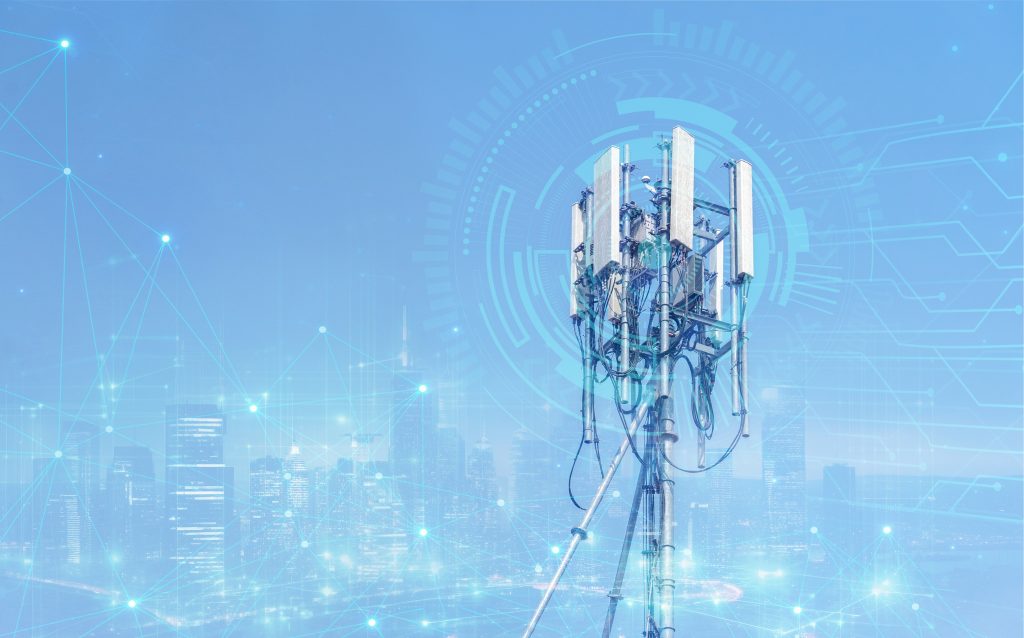
As satellite and cellular technologies continue to evolve, federal agencies like the Department of Defense (DoD) are poised to capitalize on a key regulatory change. A recent article on Satellite World takes an inside look into this development, exploring how the integration of these two technologies is enhancing communication capabilities in remote, hostile, and otherwise challenging environments. By bridging the gap between satellite and cellular networks, the shift promises more resilient, secure, and reliable communications—critical for missions that demand uninterrupted connectivity across vast and difficult terrain.
Traditionally, satellite and cellular networks have operated in distinct spectrums, each serving specific purposes with minimal overlap. However, a groundbreaking shift is underway, with significant implications for the Department of Defense (DoD). The Federal Communication Commission (FCC) recently adopted a new regulatory framework that allows satellite operators to use mobile spectrum for satellite-to-cell coverage. Unanimously approved by the FCC commissioners on March 14, this “supplemental coverage from space” regulation marks a significant advancement, enhancing communication capabilities in remote areas where traditional cellular networks fall short. ”You will see more integration between cellular and satellite communication networks over the next 1-3 years,” shared Bryan Schromsky, Associate Director of 5G Public Sector at Verizon.
For the DoD, this development is a major leap forward in improving the reliability and reach of communications technology in critical and often hostile environments, such as remote rescue missions and combat operations. The new framework allows wireless companies to extend their coverage through partnerships with satellite operators, ensuring seamless communication even in the most challenging terrains. This capability is crucial for military operations, where maintaining secure and uninterrupted communications can be a matter of life and death.
The Challenges of Operating in Hostile Environments and the Need for Seamless Connectivity
Modern military operations have highlighted the risks presented by communications technology like signals intelligence, where adversaries can track and target soldiers through their communication devices. This underscores the critical need for secure, resilient communication systems capable of withstanding electronic warfare and other forms of interference. Raymond Lindenmayer, Director of Government Strategy at Intelsat, explained that “geopolitical trends affect the development and deployment of satellite and cellular communication technologies.”
Lindenmayer shared insights from a recent rescue training mission on the border between Mexico and Arizona. He explained how a combination of satellite and cellular connectivity kept teams communicating throughout the mission, despite the vastness of the field with valleys and 6,000-foot mountains. “By using a multi-orbit solution, we seamlessly switched between LTE and satellite signals, allowing search and rescue teams to stay connected over rough terrain for the first time ever in that environment,” Lindenmayer noted.
A similar scenario unfolded in February during a law enforcement rescue training exercise in Northern California. The multi-day training involved rigorous exercises on avalanche probing, orienteering, heavy equipment, and winter medical treatment/transport. The deployment of a Satellite Picocell on a Trailer (SPOT), equipped with satellite backhaul, cellular, and Wi-Fi capabilities, allowed continuous communication for nearly 100 first responders and volunteers across the challenging terrain of dense forests and mountains. Such advanced communications solutions can be deployed rapidly, providing critical voice and data services, enabling command posts to operate effectively even in the most remote locations.
This blend of satellite and cellular technology is not only crucial for rescue operations but is directly applicable to military missions, where maintaining secure, resilient communications is vital. In hostile environments, where soldiers face the constant threat of electronic warfare and adversaries attempting to intercept or jam signals, the ability to seamless switch between networks ensures uninterrupted communication. Whether in remote combat zones, naval operations, or border patrols, this multi-orbit solution offers the military a critical advantage in both command and control.
The Complementary Nature of Satellite and Cellular Technologies
Lindenmayer emphasized that satellite and cellular technologies are not competitors but are complementary in military communications “because they’re two communication paths, and that redundancy maximizes the chances that the user will be able to communicate.” FCC Chairwoman Jessica Rosenworcel affirmed this synergy, stating, “We will not be successful in our effort to make…always-on connectivity available everywhere if we limit ourselves to using only one technology. We are going to need it all—fiber networks, licensed terrestrial wireless systems, next-generation unlicensed technology, and satellite broadband. But if we do this right, these networks will seamlessly interact in a way that is invisible to the user.”
Satellites offer broad coverage, reaching areas where cellular infrastructure is absent, and cellular networks provide high data rates and low latency. This combination is invaluable in military and law enforcement operations, ensuring reliable communication channels whether in urban settings or in theater. “In environments like ships or remote border areas, the ability to seamlessly switch between satellite and terrestrial networks ensures reliable communication for critical operations,” Lindenmayer added. Multi-orbit communication solutions enhance network resilience by providing redundant paths, crucial for maintaining communication integrity in the face of electronic warfare or environmental interference.
Innovations and Future Directions
As military operations evolve, technologies like Beyond 5G and advanced waveforms, including Low Probability of Intercept (LPI) and Low Probability of Detection (LPD), will further enhance network security and efficiency. SD-WAN will further optimize these hybrid systems, offering dynamic routing and bandwidth management to ensure critical communications are prioritized in real-time, even in challenging conditions.
The FCC’s new framework will introduce even more capabilities for military communications by seamlessly integrating satellite and cellular technologies. This combination is crucial in ensuring secure, stable communication across all terrain. As Schromsky pointed out, “satellite communication coupled with cellular networks is another key advancement in providing uninterrupted connectivity.” These innovations represent a significant step forward, enabling the DoD to maintain operational efficiency and communication reliability wherever needed.